
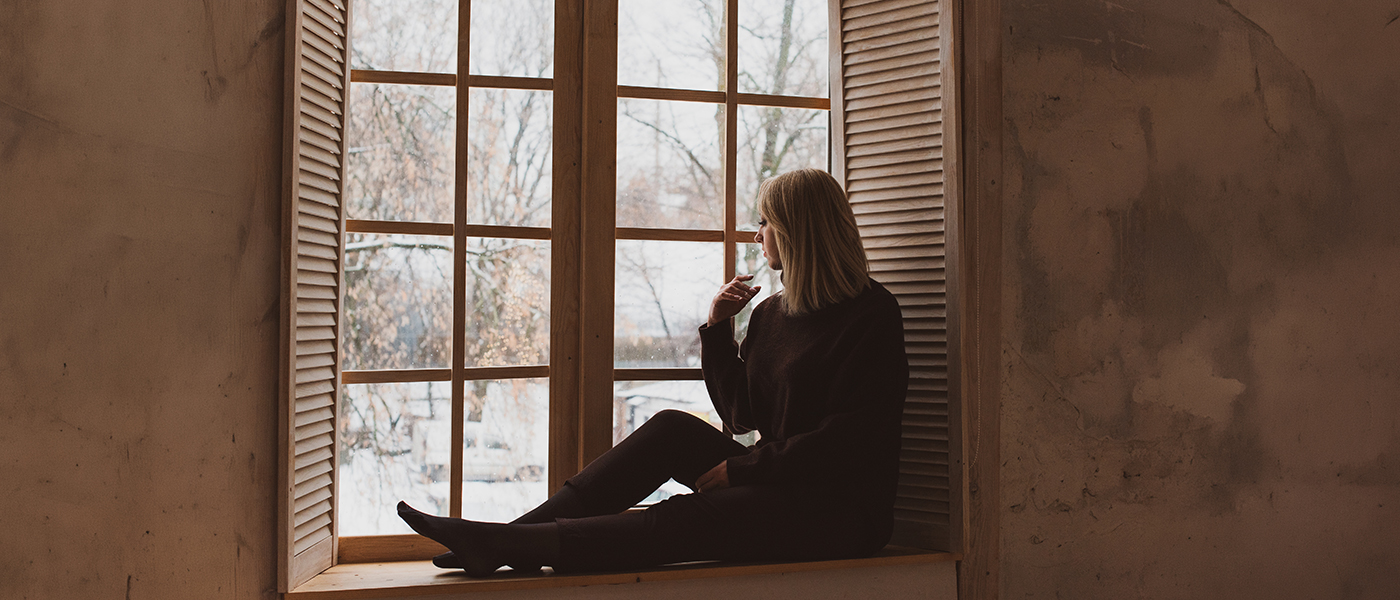
Why Do I Feel More Anxious in the Fall? Understanding Seasonal Anxiety and the Winter Blues
Autumn brings many pleasant changes: we love the cool weather, parks filled with colorful foliage, festive traditions, and the new rhythm of life that follows the summer break. However, for some people, the change of season takes a toll on their emotional well-being. As daylight hours decrease, they may experience heightened anxiety, fatigue, sadness, or irritability, along with a tendency to withdraw socially. In these situations, anxiety therapy can provide support for understanding emotional changes, managing symptoms, and developing healthier coping strategies.
While temporary seasonal stress usually subsides as one adapts to a new routine, persistent emotional changes require additional support. With World Mental Health Day observed on October 10, autumn is the perfect time to tune in to your own needs and pay attention to your loved ones.
Scientists have been studying seasonal mood fluctuations for decades, and recent research offers a better understanding of who is susceptible to this condition, its underlying causes, and which treatments are truly effective. In this blog, we explore what modern research says about mood changes during the autumn and winter months and look at the role of psychological counseling in addressing this issue.
Why Do I Feel More Anxious When Fall Starts?
A few overlapping factors tend to show up at the same time each year:
- Routines reset after summer – new schedules for work, school, and family life.
- Shorter days and reduced exposure to natural daylight.
- A jump in work, school, and caregiving responsibilities.
- Financial and social pressure as the holiday season approaches.
People who already suffer from anxiety often notice that their symptoms intensify during periods of seasonal change. Research consistently points to a link between reduced daylight and shifts in mood and behavior. The prevalence of seasonal mood fluctuations increases with distance from the equator, indicating a genuine connection between light levels and emotional well-being.
Where one lives also plays a significant role. Seasonal affective disorders affect anywhere from 1.4% of the population in southern states (such as Florida) to over 9% in northern ones. Texas falls at the lower end of this range, yet this does not offer complete immunity. The reduction in daylight, cooler temperatures, and changes in routines and workloads have an impact here as well. Anxiety triggered by the changing seasons is a common phenomenon among Texans, even without the drastic reduction in daylight hours experienced at more northern latitudes.
What Does Fall Anxiety Actually Feel Like?
Fall-related anxiety can look different from person to person, but common, relatable signs include:
- Feeling restless or constantly “on edge”.
- Overthinking or replaying worries more than usual.
- Difficulty falling or staying asleep.
- Irritability over small things.
- Feeling overwhelmed by everyday responsibilities.
- Trouble concentrating or staying focused.
- Physical tension, headaches, or fatigue.
- Wanting to avoid social activities.
Everyday Adjustment vs. Fall Anxiety Worth Watching
|
Everyday Fall Adjustment |
Signs of Fall Anxiety to Watch |
|
A few busy, tiring weeks after summer ends |
Persistent worry or feeling “on edge” most days |
|
Occasional trouble sleeping before a big change |
Ongoing sleep disruption for two or more weeks |
|
Short-lived irritability during a hectic week |
Irritability that strains relationships regularly |
|
Feeling a little scattered when schedules shift |
Trouble concentrating that affects work or school |
|
Preferring a quiet night in now and then |
Actively avoiding people and activities you enjoy |
Is It the “Winter Blues” or Something More?
Sometimes, autumn anxiety gradually develops into something more serious. Seasonal affective disorder is a form of major depressive disorder with a seasonal pattern. It typically begins in late autumn or winter and resolves by spring. According to the National Institute of Mental Health, symptoms often persist for four to five months of the year and follow a recurring seasonal pattern. The American Psychiatric Association estimates that approximately 5% of the U.S. adult population experiences SAD annually, with January and February often proving to be the most difficult months. Studies conducted among university students have revealed even higher rates; a significant proportion of respondents exhibited subsyndromal seasonal symptoms that did not meet the threshold for a full clinical diagnosis. Participants with SAD showed significantly higher levels of overall psychological distress compared to those without seasonal symptoms.
Occasional Low Mood vs. Seasonal Depression
|
Occasional Low Mood |
Possible Seasonal Depression (SAD) |
|
Mood dips for a day or two, then lifts |
Low mood most of the day, nearly every day, for weeks |
|
Still enjoy favorite activities, just less often |
Losing interest in things you normally enjoy |
|
Slightly more tired during a busy stretch |
Persistent fatigue, low energy, or oversleeping |
|
Appetite or sleep barely changes |
Noticeable changes in appetite, weight, or sleep |
|
Still want to see friends and family |
Pulling away from people and social plans |
|
Occasional distraction |
Ongoing trouble concentrating or making decisions |
What Can I Do to Support My Mental Health This Fall?
- Keep consistent sleep and wake times.
- Spend time outdoors during daylight hours.
- Stay active with regular physical movement.
- Stay connected with friends and family.
- Avoid overscheduling as the holidays approach.
- Build calming routines into your day.
- Pay attention to mood changes instead of brushing them off.
- Talk with someone you trust before stress builds up.
Mental health professionals recommend starting light therapy in early autumn—before symptoms even appear. Do physical activity, improve indoor lighting, and use stress-management techniques. These measures help mitigate seasonal mood fluctuations before they worsen. You do not need a medical diagnosis to benefit from this advice. These are simply healthy habits that can help maintain emotional balance as the seasons change.
When Should I Consider Talking With a Counselor?
- Anxiety or sadness lasts for several weeks.
- Sleep or appetite changes significantly.
- Everyday responsibilities start to feel unmanageable.
- Your relationships are being affected.
- You find yourself isolating more and more.
- Coping strategies that used to help no longer work.
- You simply feel you could use more support – you don’t have to wait until things feel severe.
Meet Nancy Blum: Support for Anxiety, Depression, and Life Changes
Do any of these issues sound familiar? You don’t have to face them alone. At Texas Online Counseling, Nancy K. Blum, MS, LPC-S, CRC, CCM, works with individuals experiencing anxiety and depression, including the kind that intensifies with the seasons. Nancy’s practice spans individual, couples, group, and family therapy, because different people need different kinds of support: some do best with one-on-one counseling, while others find that relationship or family concerns are better addressed together.
Learn more about Nancy and the rest of the clinical team on our counselor profiles page and explore our full range of anxiety and depression counseling services on our specialties page.
Sessions are entirely online. So, you can meet with Nancy from anywhere in Texas. No commute, no waiting room, and no need to take extra time off work during an already busy season. Start counseling before the holidays so you’re not trying to add one more thing to your plate during an already busy season.
How Can Counseling Help with Seasonal Anxiety or Depression?
- Identify your personal triggers and patterns.
- Develop healthier, more sustainable coping strategies.
- Work through persistent or recurring worries.
- Improve emotional regulation.
- Address relationship or family stress connected to your mood.
- Build a plan for navigating fall and the upcoming holiday season.
- Develop tools that stay useful well beyond one season.
What Does the Latest Research Say About Anxiety Therapy?
Researchers have been studying treatments for seasonal anxiety and depression for decades; recent studies provide a clearer picture of exactly what works and how long the effects last.
Robust data supports the efficacy of cognitive-behavioral therapy. A 2025 systematic review and meta-analysis published in The Cognitive Behaviour Therapist analyzed randomized controlled trials of CBT specifically adapted for seasonal affective disorder (SAD), confirming that talk therapy is an effective standalone treatment for seasonal depression.
A follow-up study by the same team found that only 7% of patients who had undergone CBT experienced a recurrence of winter depression, compared to about 37% in the light therapy-only group. In other words, while light therapy helps alleviate symptoms in the immediate term, talk therapy builds skills that prevent the condition from returning.
Online anxiety counseling offers a convenient way to access this type of professional support from home. A comprehensive analysis has shown that virtual therapy yields results comparable to in-person sessions for treating anxiety, depression, and post-traumatic stress disorder (PTSD). A 2025 quasi-experimental study comparing remote and in-person counseling in rural Texas demonstrated that both care models led to significant and comparable reductions in symptoms of depression and anxiety; Texas residents do not have to choose between convenience and quality of care.
Taken together, recent studies point to a practical conclusion: regardless of the specific approach that works best for managing seasonal anxiety, working with a qualified professional through in-person or online anxiety therapy can provide evidence-based support for improving emotional well-being during the current season and building psychological resilience for the future.
Pay Attention to What Your Mind Is Telling You
Seasonal changes affect everyone differently. Feeling a little different as fall begins doesn’t automatically mean something is wrong. But persistent anxiety, sadness, or withdrawal shouldn’t be ignored, either.
Let World Mental Health Day on October 10 be your reminder to check in with yourself and with the people you care about.
Reach out for anxiety counseling, depression counseling, or schedule an appointment with Nancy Blum today.
