

Back-to-School Anxiety: How to Help Your Child Feel Calm, Confident, and Ready
How are you feeling as summer comes to an end? For many families, back-to-school season brings a mix of emotions. There is excitement around new backpacks, school supplies, teachers, and routines, but there can also be a quiet sense of nervousness about what the new school year will bring.
For some children and teens, returning to school may come with irritability, sleep changes, increased attachment to parents, social worries, or a general sense of emotional overload. In fact, 75% of high school students and 50% of middle schoolers consistently feel stressed.
Some nervousness before a new school year is completely normal. Children are adjusting to new teachers, changing routines, academic expectations, and new social situations. However, when anxiety continues, becomes more intense, or begins interfering with everyday life, your child—and sometimes the whole family—may need additional support.
Parents who are struggling to manage behavior changes, communication difficulties, or increased stress at home may also benefit from parent intensives, which provide focused support and practical strategies for navigating parenting challenges.
In this guide, we’ll explore what can trigger back-to-school anxiety, practical ways to help your child feel more confident, and how to recognize when additional support may be helpful.
Why Does My Child Feel Anxious About Going Back to School?
Back-to-school anxiety rarely comes from a single source. More often, it's a combination of factors:
- Changes in routine and expectations after a loosely structured summer
- Academic pressure, including worries about keeping up or performing well
- Social worries, from finding a lunch table to maintaining old friendships
- Fear of a new teacher, unfamiliar classroom, or an entirely new school
- Separation anxiety, especially in younger children starting school for the first time
- Previous negative experiences, such as bullying, academic struggles, or a difficult year.

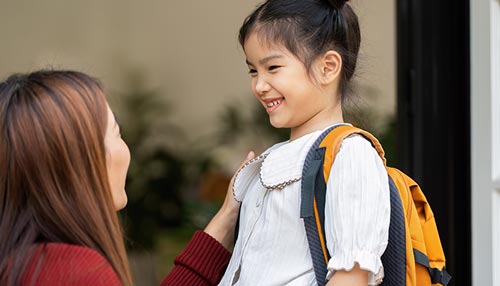
How Can I Help My Child Feel More Confident Before the New School Year?
Preparing for back-to-school jitters is key. A few weeks of gradual work can make a significant difference:
- Reestablish a sleep routine and morning rituals a week or two before the start of the school year
- Visit the school or review the class schedule together. This will make your child feel less out of place
- Shop for and prepare clothes and supplies together. This will foster interest and a sense of belonging
- Discuss potential challenges in a calm and non-intrusive conversation
- Remind your child of past successes, especially times when they mastered something new
- Encourage independence in age-appropriate ways, without creating additional pressure.
These steps help transform the unknown into something familiar. This is often what's most needed to ease anxiety.
What Can I Do If My Child Is Worried About Making Friends?
Social anxiety disorder impacts about one in 10 teens and adults in the U.S. Social anxiety is a common problem for many teenagers. Starting a new grade or school is a stressful time. It can exacerbate your child's social anxiety. Here's how you can help:
- Normalizes social anxiety, most children experience it, even if they don't show it
- Practice simple conversation starters or ways to join group activities with your child
- Encourage activities and clubs based on your child's genuine interests
- Avoid pressure to "make lots of friends right away"
- Help your teens focus on building one or two meaningful connections rather than a large social circle. One strong friendship often has a greater impact on a child's self-confidence than a broad but superficial social network.
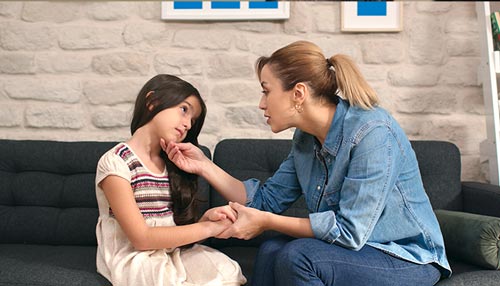

How Can I Help My Child Handle Academic Pressure?
Academic stress can quickly mount. How can you help your child cope with this pressure in a healthy way?
- Focus on effort and academic progress, not perfect grades
- Set realistic expectations based on your child's individual strengths and challenges
- Create a consistent, distraction-free homework routine
- Encourage regular breaks and free time after school
- Watch for signs of perfectionism or an intense fear of failure, which can subtly fuel anxiety.
How Do I Know If My Child's School Anxiety Needs Professional Help?
Most anxieties associated with the start of the school year subside once a routine is established. However, for some children, anxiety persists or worsens. It's important to pay attention to this. The chart below will help you distinguish between normal anxiety and anxiety that may require professional help.
| Normal Back-to-School Nerves | Signs That May Need Extra Support |
| Mild worry a few days before school starts | Ongoing anxiety that lasts for weeks |
| Occasional trouble falling asleep | Frequent stomachaches or headaches before school |
| Some reluctance to leave a parent on day one | Persistent crying, panic, or refusal to attend school |
| Nervous excitement about a new teacher or class | Significant changes in mood, appetite, or behavior |
| Worry that fades once the routine starts | Withdrawal from friends, activities, or family |
Is your child exhibiting several of the symptoms listed on the right? Do they last longer than a few weeks, or are they starting to interfere with school, friendships, or family life? It is time to talk to a licensed therapist. A qualified counselor can help children and teens understand their feelings, develop practical coping skills, and approach school challenges with more confidence.
How Can We Create a Calmer Back-to-School Transition as a Family?
Every child experience returning to school differently, so it's helpful to tailor your approach to your child's age and developmental stage. The chart below will help you understand what to expect and how to respond.
| Age Group | What Anxiety Often Looks Like | What Helps Most |
| Early Elementary (5–8) | Clinginess, tears at drop-off, tummy aches | Predictable routines, short goodbyes, comfort objects |
| Upper Elementary (9–11) | Worry about grades, fitting in, being liked | Open conversations, practicing social scripts, praise for effort |
| Middle School (12–14) | Social comparison, fear of embarrassment, body-image worries | Validating feelings, limiting overscheduling, encouraging one solid friendship |
| High School (15–18) | Academic pressure, college anxiety, perfectionism | Realistic goal setting, downtime, honest talks about expectations |
A few common family habits can help make this period easier:
- Maintain open communication and allow your child to share their feelings without judgment
- Create a predictable daily routine, including meals, homework, and sleep
- Allow space for rest, especially in the first few weeks after returning
- Limit extracurricular activities during the first few weeks
- Show concern for your child's emotional state by asking how they are feeling
- Give everyone time to adjust to the new rhythm.
Help Your Child Start the School Year with Confidence
Back-to-school anxiety is common, and it does not mean there is anything wrong with your child or your parenting. With patience, preparation, and open communication, many children gradually adjust to new expectations and settle into their school-year routine within the first few weeks.
However, children should not have to manage overwhelming emotions alone. If anxiety begins affecting your child’s sleep, relationships, schoolwork, behavior, or daily life, additional support may help. Parents who are unsure how to respond to increasing stress, emotional outbursts, or communication challenges may also benefit from parent intensives, which offer focused guidance and practical strategies for supporting children and strengthening parent-child relationships.
If back-to-school anxiety interferes with your child or teen’s everyday life, counseling can provide a supportive space to build coping skills, confidence, and emotional resilience while helping your family navigate the transition together.
Help Is Just a Phone Call Away | Serving All Texas Residents
